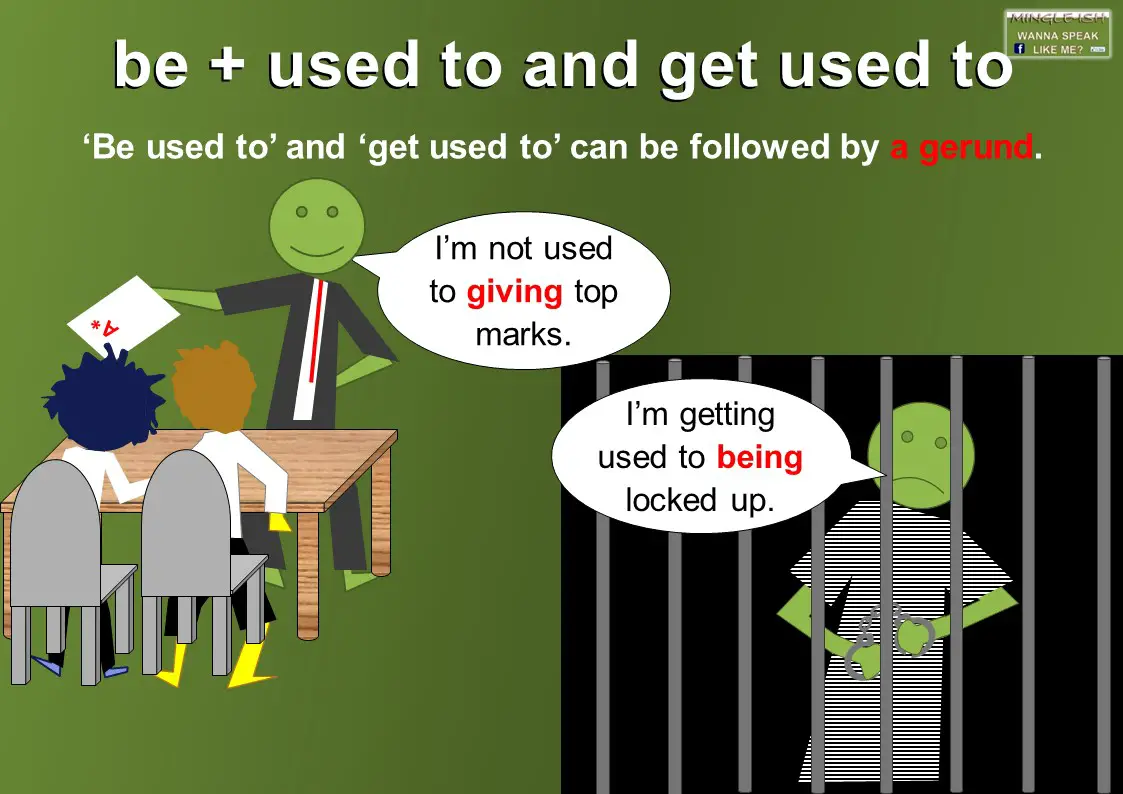
Used To Be Used To Get Used To

Il linguaggio inglese, pur essendo considerato relativamente semplice nella sua struttura grammaticale di base, presenta delle insidie per chi lo studia. Tra queste, le espressioni "used to", "be used to" e "get used to" rappresentano una fonte comune di confusione. Sebbene simili nella forma, queste tre costruzioni hanno significati nettamente differenti e vengono utilizzate in contesti specifici. Questo articolo si propone di chiarire le differenze tra queste espressioni, fornendo spiegazioni dettagliate, esempi pratici e suggerimenti utili per evitarne un uso improprio.
Comprendere "Used To"
Significato e Utilizzo
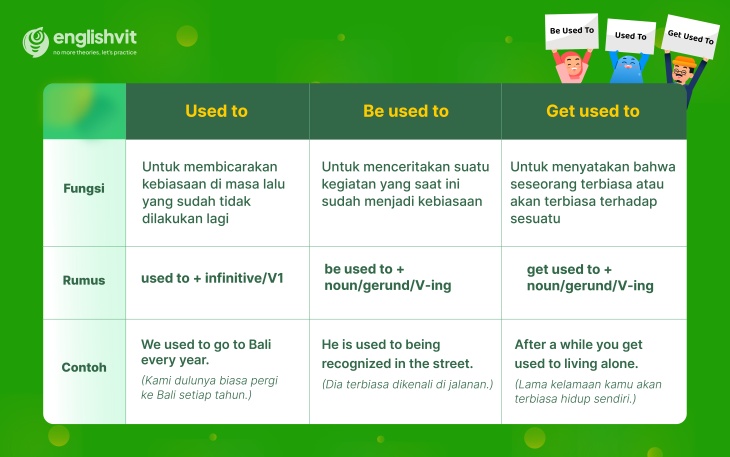
L'espressione "used to" si utilizza per descrivere un'azione o uno stato che era abituale o vero nel passato, ma non lo è più nel presente. In altre parole, si riferisce a qualcosa che succedeva regolarmente o che era una condizione stabile in passato, ma che ora è cessata.
La struttura grammaticale è la seguente:
Subject + used to + base form of the verb
Ad esempio:
I used to play football every Sunday. (Giocavo a calcio ogni domenica - ma ora non lo faccio più).
She used to live in Rome. (Lei viveva a Roma - ma ora non ci vive più).
He used to smoke a lot. (Lui fumava molto - ma ora non fuma più).
È importante notare che "used to" si riferisce esclusivamente al passato e non ha una forma presente. Per esprimere un'abitudine al presente, si utilizzano altri costrutti, come "usually", "normally", "often", o il present simple con avverbi di frequenza.
Forma Negativa e Interrogativa
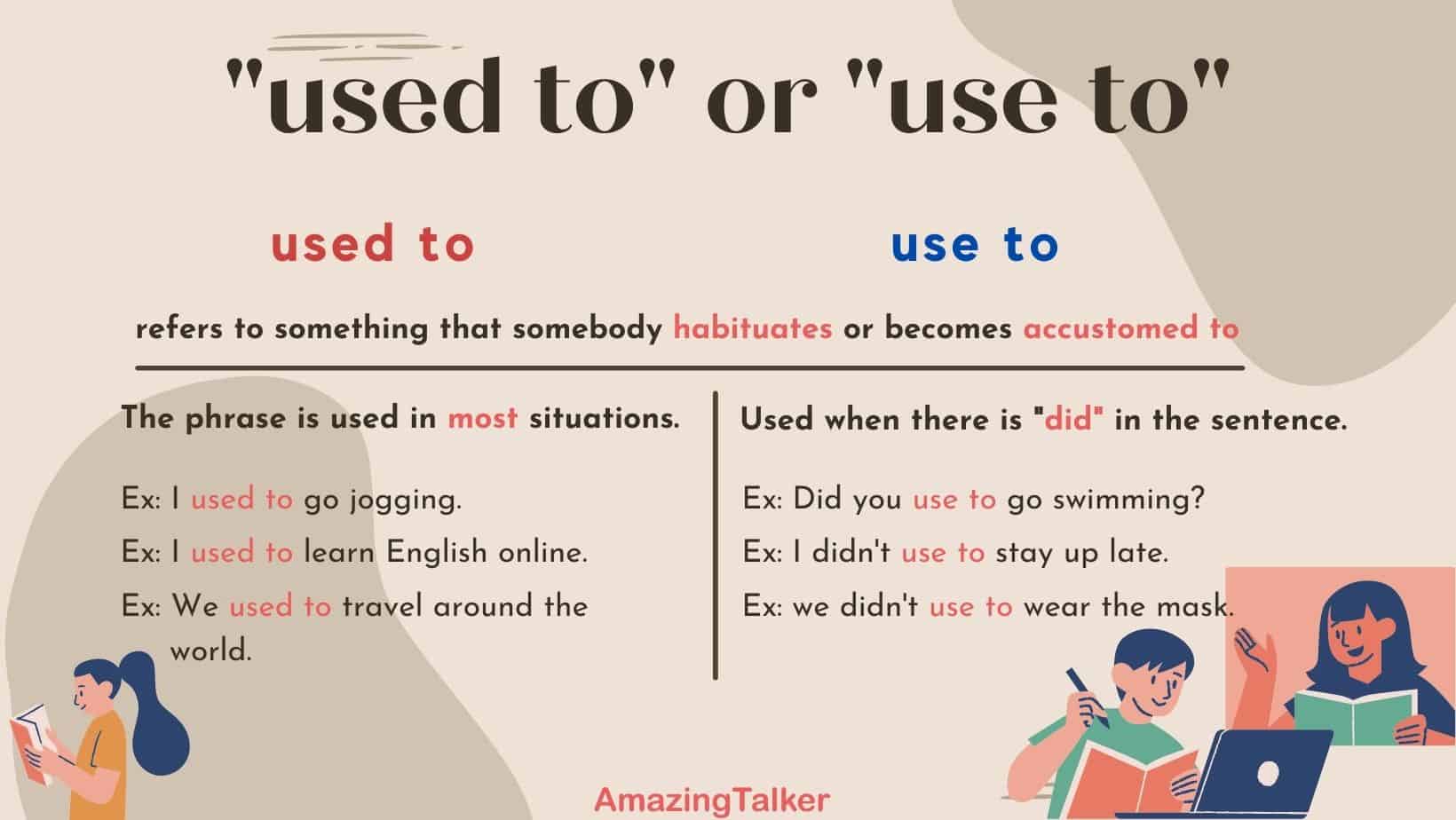
La forma negativa di "used to" si costruisce solitamente con l'ausiliare "did" e la forma base "use to" (senza la "d"). Tuttavia, è anche possibile trovare la forma "used not to", sebbene meno comune.
Esempi:
I didn't use to like coffee. (Non mi piaceva il caffè).
She used not to be so shy. (Lei non era così timida).
La forma interrogativa si costruisce anch'essa con l'ausiliare "did", invertendo l'ordine soggetto-verbo.
Esempio:
Did you use to go to that restaurant? (Andavi in quel ristorante?).
Esplorare "Be Used To"
Significato e Utilizzo
L'espressione "be used to" ha un significato completamente diverso da "used to". Significa essere abituato a qualcosa, ovvero essere familiare o a proprio agio con una determinata situazione, persona, attività o oggetto.
La struttura grammaticale è la seguente:
Subject + be (am/is/are/was/were) + used to + noun/pronoun/gerund (-ing form of the verb)
Ad esempio:
I am used to waking up early. (Sono abituato ad alzarmi presto).
She is used to the noise. (Lei è abituata al rumore).
They were used to working long hours. (Erano abituati a lavorare molte ore).
È fondamentale ricordare che dopo "used to" in questa costruzione, si utilizza un nome, un pronome o la forma in -ing del verbo (gerundio).
Forma Negativa e Interrogativa
La forma negativa si costruisce semplicemente aggiungendo "not" dopo il verbo "be".
Esempi:
I am not used to the cold weather. (Non sono abituato al freddo).
She isn't used to living alone. (Lei non è abituata a vivere da sola).
La forma interrogativa si costruisce invertendo l'ordine soggetto-verbo "be".
Esempio:
Are you used to driving on the left? (Sei abituato a guidare a sinistra?).
Analizzare "Get Used To"
Significato e Utilizzo
L'espressione "get used to" indica il processo di abituarsi a qualcosa. Si riferisce al momento in cui si comincia a diventare familiari o a proprio agio con una determinata situazione, persona, attività o oggetto.
La struttura grammaticale è la seguente:
Subject + get/got/getting + used to + noun/pronoun/gerund (-ing form of the verb)
Ad esempio:
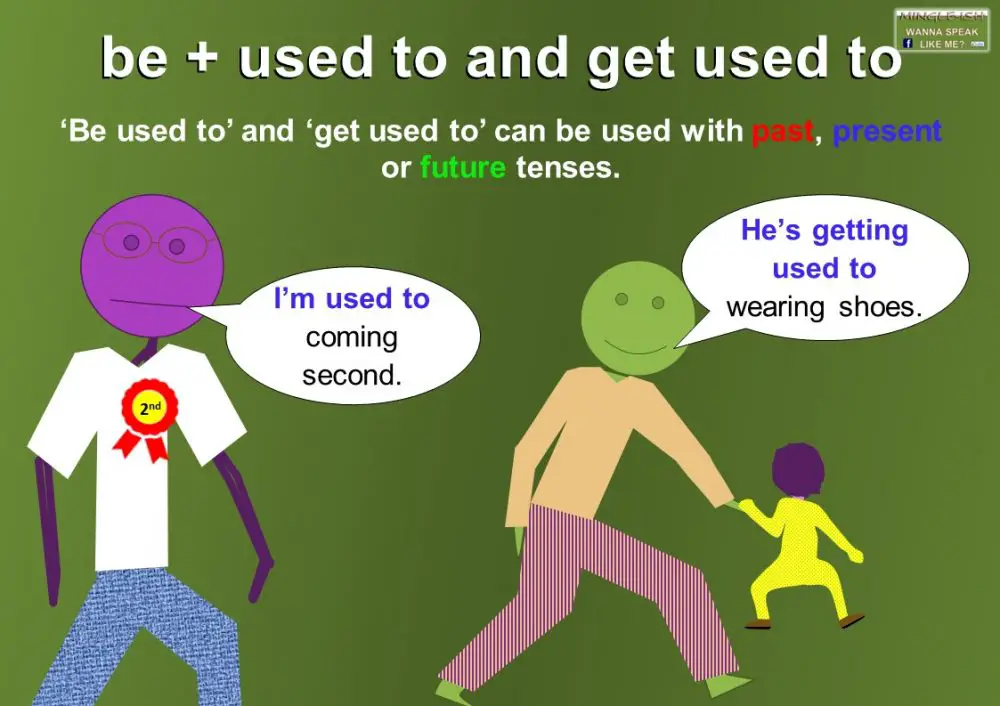
I am getting used to living in a new city. (Mi sto abituando a vivere in una nuova città).
He got used to the food after a few weeks. (Si è abituato al cibo dopo qualche settimana).
She is getting used to her new job. (Si sta abituando al suo nuovo lavoro).
Similmente a "be used to", anche dopo "get used to" si utilizza un nome, un pronome o la forma in -ing del verbo (gerundio). La differenza cruciale risiede nel fatto che "get used to" descrive un processo dinamico, mentre "be used to" descrive uno stato statico.
Forma Negativa e Interrogativa
La forma negativa si costruisce utilizzando l'ausiliare appropriato per il tempo verbale di "get" (do/does/did).
Esempi:
I don't get used to waking up this early. (Non mi abituo ad alzarmi così presto).
She didn't get used to the spicy food. (Lei non si è abituata al cibo piccante).
La forma interrogativa si costruisce anch'essa utilizzando l'ausiliare appropriato per il tempo verbale di "get".
Esempio:
Are you getting used to the new software? (Ti stai abituando al nuovo software?).
Esempi Pratici e Confronto
Per chiarire ulteriormente le differenze, consideriamo alcuni esempi che confrontano le tre espressioni:
- Used to: "I used to have long hair." (Avevo i capelli lunghi - ma ora non li ho più).
- Be used to: "I am used to having short hair." (Sono abituato ad avere i capelli corti).
- Get used to: "I am getting used to having short hair." (Mi sto abituando ad avere i capelli corti).
Un altro esempio:
- Used to: "They used to live in a small village." (Vivevano in un piccolo villaggio - ma ora non ci vivono più).
- Be used to: "They are used to the quiet life." (Sono abituati alla vita tranquilla).
- Get used to: "They are getting used to city life." (Si stanno abituando alla vita cittadina).
Questi esempi dimostrano come le tre espressioni descrivano situazioni diverse: un'azione passata che non si ripete più (used to), uno stato di familiarità (be used to) e un processo di adattamento (get used to).
Errori Comuni da Evitare
Uno degli errori più comuni è confondere "used to" con "be used to" o "get used to", utilizzando il verbo all'infinito invece del gerundio dopo "be used to" e "get used to". Ad esempio, è sbagliato dire "I am used to *walk* early", mentre è corretto dire "I am used to *walking* early".
Un altro errore è utilizzare "used to" per descrivere abitudini presenti. Per le abitudini presenti, si utilizzano altre espressioni come "usually", "normally", o il present simple con avverbi di frequenza.
Conclusione e Consigli Pratici
Le espressioni "used to", "be used to" e "get used to", sebbene simili, hanno significati e usi ben distinti. Comprendere queste differenze è fondamentale per una comunicazione efficace in inglese. Ricordate che "used to" si riferisce a un'abitudine passata, "be used to" a uno stato di familiarità, e "get used to" a un processo di adattamento.
Per padroneggiare queste espressioni, è consigliabile:
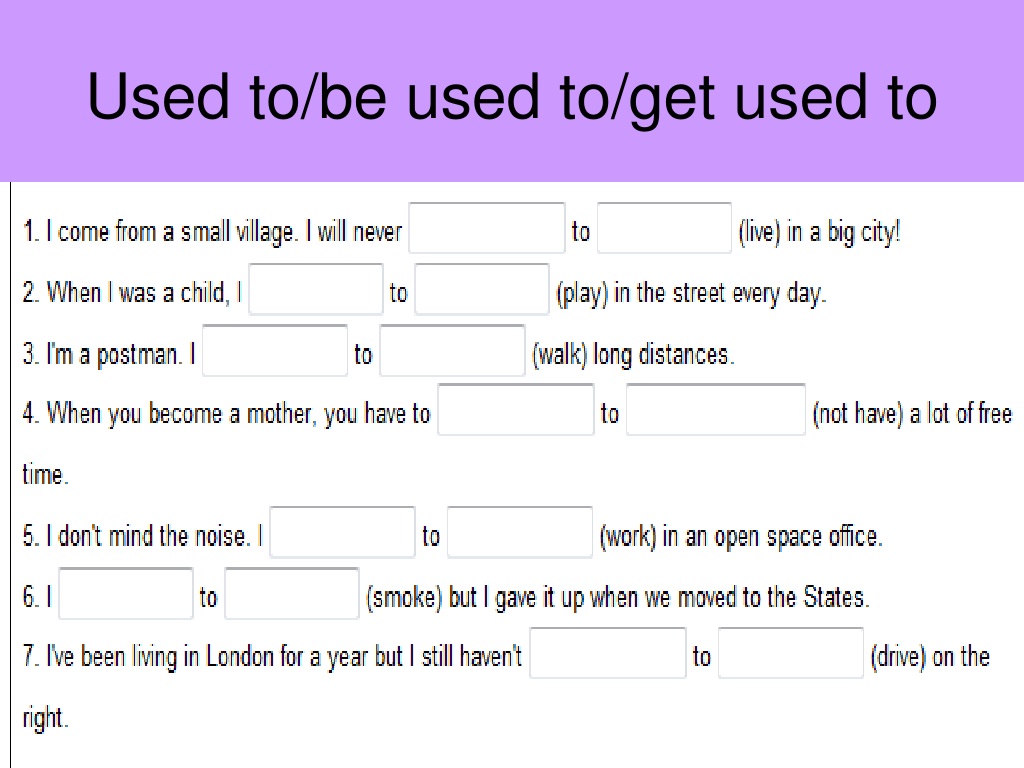
- Esercitarsi regolarmente: Scrivere frasi utilizzando ciascuna espressione in contesti diversi.
- Ascoltare attentamente: Prestare attenzione a come i madrelingua utilizzano queste espressioni nella conversazione e nei media.
- Chiedere chiarimenti: Non esitare a chiedere aiuto a insegnanti o madrelingua in caso di dubbi.
- Consultare risorse online: Utilizzare siti web e app dedicati all'apprendimento dell'inglese per ulteriori esercizi e spiegazioni.
Con la pratica e l'attenzione, sarete in grado di utilizzare correttamente "used to", "be used to" e "get used to", migliorando la vostra fluidità e accuratezza nella lingua inglese. Buon apprendimento!