Present Simple E Present Continuous Esercizi
Capita a tutti, prima o poi. Ti siedi per studiare l'inglese, affronti il presente semplice e il presente progressivo (o continuo) e... bam! La confusione ti assale. Quando uso uno? Quando l'altro? Qual è la maledetta differenza? Non sei solo/a! Molti studenti di inglese si trovano di fronte a questo ostacolo, ma con la giusta guida e un po' di pratica, superare questa difficoltà è assolutamente possibile.
Present Simple: L'Abitudine e la Verità Universale
Il Present Simple, o presente semplice, è come un affidabile amico che ti dice sempre la verità. Lo usiamo per parlare di:
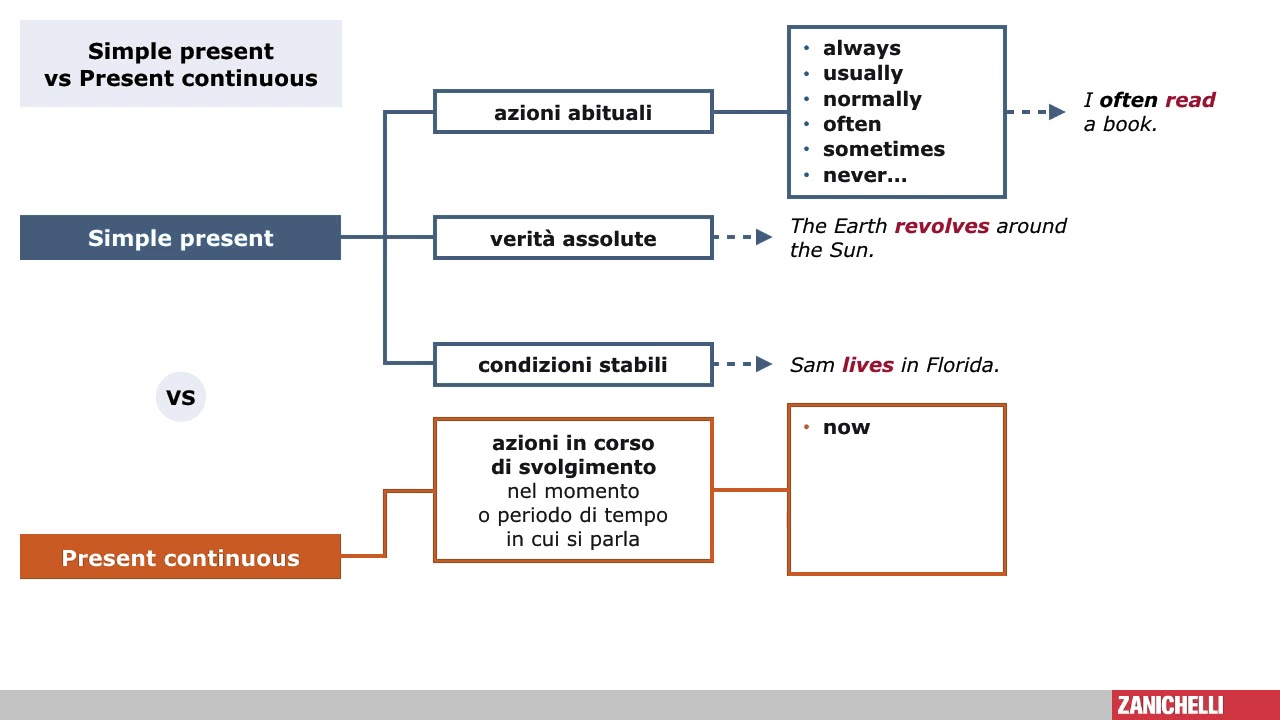
- Abitudini e routine: azioni che compiamo regolarmente.
- Fatti generali e verità universali: cose che sono sempre vere.
- Orari e programmazioni: eventi che seguono un programma fisso.
Esempi:
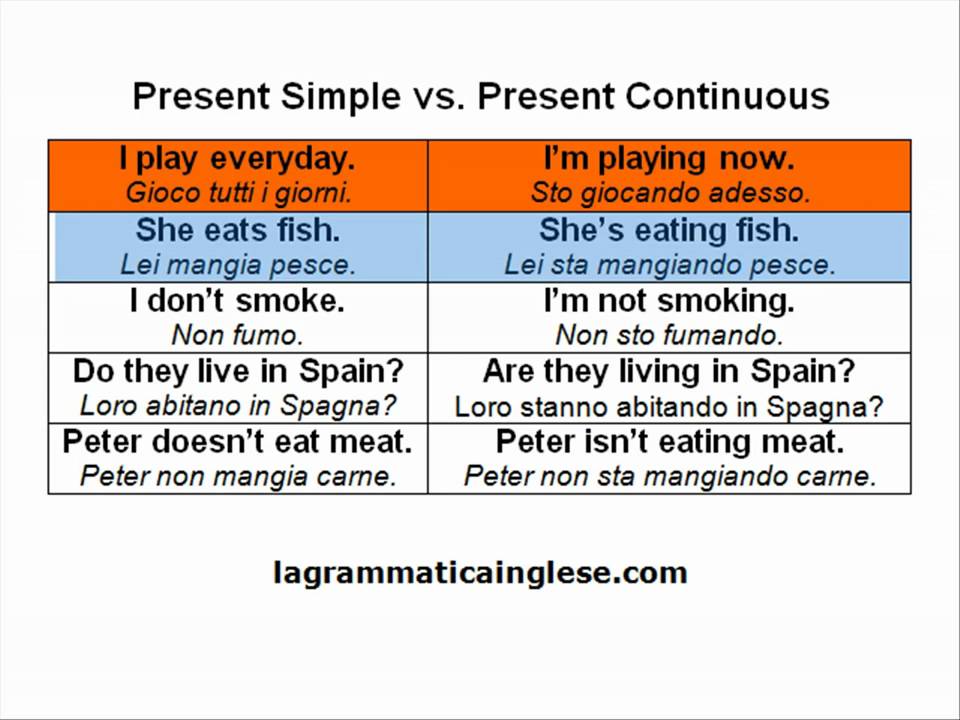
- I drink coffee every morning. (Bevo caffè ogni mattina - abitudine)
- The sun rises in the east. (Il sole sorge a est - verità universale)
- The train leaves at 8:00 AM. (Il treno parte alle 8:00 - orario)
Struttura:
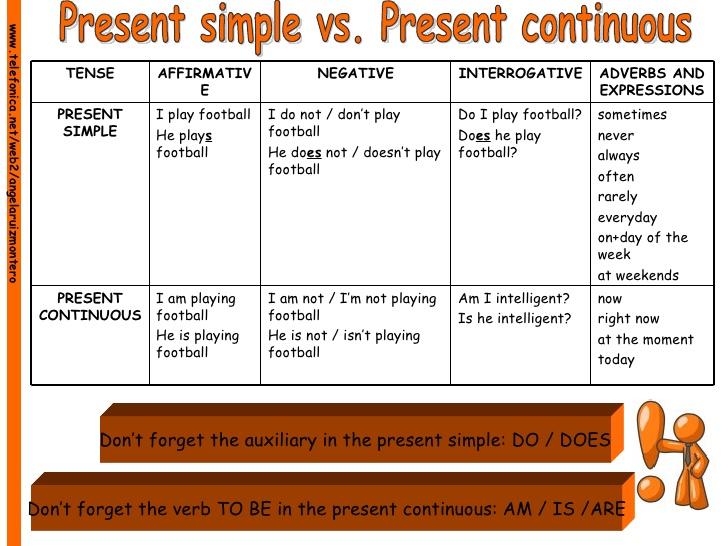
- Affermativa: Soggetto + Verbo (forma base) – *eccezione: alla terza persona singolare (he/she/it) si aggiunge una -s o -es alla fine del verbo.*
- Negativa: Soggetto + do/does not (don't/doesn't) + Verbo (forma base)
- Interrogativa: Do/Does + Soggetto + Verbo (forma base)?
Esempi di struttura:
- She works in a bank. (Lei lavora in banca. - Affermativa, terza persona singolare)
- They don't eat meat. (Loro non mangiano carne. - Negativa)
- Do you speak Italian? (Parli italiano? - Interrogativa)
Errori Comuni con il Present Simple
Uno degli errori più frequenti è dimenticare la "-s" alla terza persona singolare. Ricorda: He/She/It + Verbo + -s/es!
Present Continuous: L'Azione in Corso
Il Present Continuous, o presente progressivo, è come una fotografia di un momento preciso. Lo usiamo per parlare di:
- Azioni che stanno accadendo ora, nel momento in cui parliamo:
- Azioni temporanee: situazioni che non durano per sempre.
- Piani futuri (spesso con avverbi di tempo):
Esempi:
- I am writing this article now. (Sto scrivendo questo articolo ora - azione in corso)
- She is studying English for a few months. (Sta studiando inglese per qualche mese - azione temporanea)
- We are going to the cinema tomorrow. (Andiamo al cinema domani - piano futuro)
Struttura:
- Affermativa: Soggetto + am/is/are + Verbo + -ing
- Negativa: Soggetto + am/is/are not (aren't/isn't) + Verbo + -ing
- Interrogativa: Am/Is/Are + Soggetto + Verbo + -ing?
Esempi di struttura:
- He is playing football. (Lui sta giocando a calcio. - Affermativa)
- They aren't watching TV. (Loro non stanno guardando la TV. - Negativa)
- Are you listening to me? (Mi stai ascoltando? - Interrogativa)
Errori Comuni con il Present Continuous
Un errore comune è dimenticare il verbo "essere" (am/is/are). Ricorda: Soggetto + am/is/are + Verbo + -ing! Inoltre, attenzione ai verbi che non si usano normalmente al Present Continuous (i cosiddetti "stative verbs", vedi sotto).
La Chiave della Differenza: Durata e Abitudine
La differenza cruciale tra i due tempi verbali risiede nella durata e nella frequenza dell'azione:
- Present Simple: Azioni abituali, verità generali, situazioni permanenti.
- Present Continuous: Azioni in corso, situazioni temporanee, piani futuri.
Pensa al Present Simple come a un'abitudine, qualcosa che fai regolarmente. Pensa al Present Continuous come a una singola azione che si sta svolgendo proprio ora.
Verbi "Stativi" o "Non-Continuous": L'Eccezione alla Regola
Esistono alcuni verbi che non vengono normalmente utilizzati al Present Continuous. Questi sono chiamati "stative verbs" o "non-continuous verbs" e descrivono stati, sentimenti, opinioni, possesso o sensi, piuttosto che azioni. Alcuni esempi includono:
- Verbi di percezione: see, hear, smell, taste
- Verbi di opinione: believe, think, know, understand, remember
- Verbi di emozione: love, hate, like, want, need
- Verbi di possesso: have, own, belong
- Altri verbi: be, seem, cost, exist
Esempio corretto: I know the answer. (So la risposta.) – NON I am knowing the answer.
Esempio corretto: She has a car. (Lei ha una macchina.) – NON She is having a car.
Eccezioni ai verbi stativi: Alcuni verbi stativi possono essere usati al Present Continuous quando il loro significato cambia. Ad esempio:
- Think:
- Present Simple: I think that's a good idea. (Penso che sia una buona idea. - opinione)
- Present Continuous: I am thinking about my vacation. (Sto pensando alla mia vacanza. - processo di pensiero)
- Have:
- Present Simple: I have a car. (Ho una macchina. - possesso)
- Present Continuous: I am having lunch. (Sto pranzando. - azione)
Esercizi Pratici: Metti alla Prova le Tue Conoscenze!
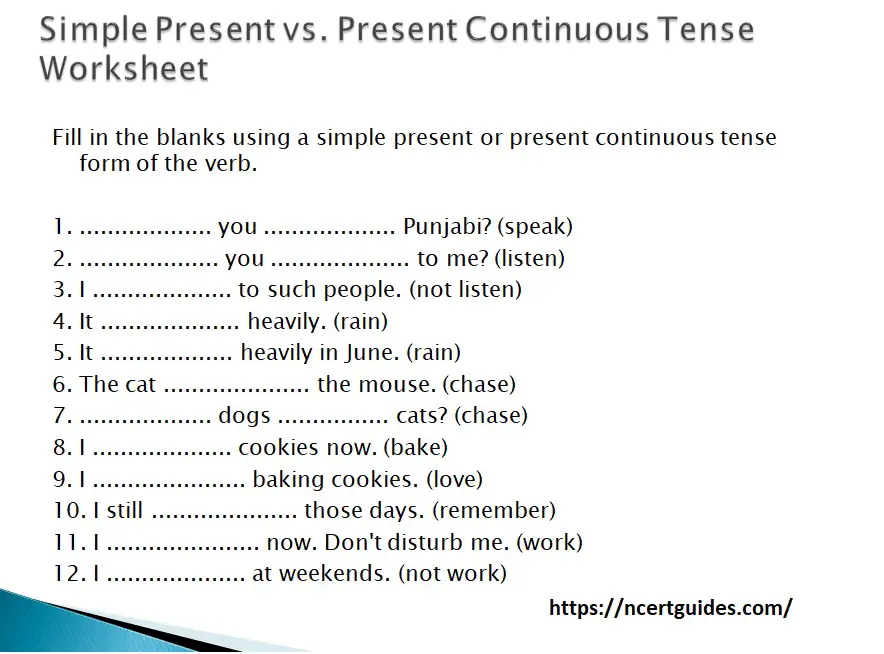
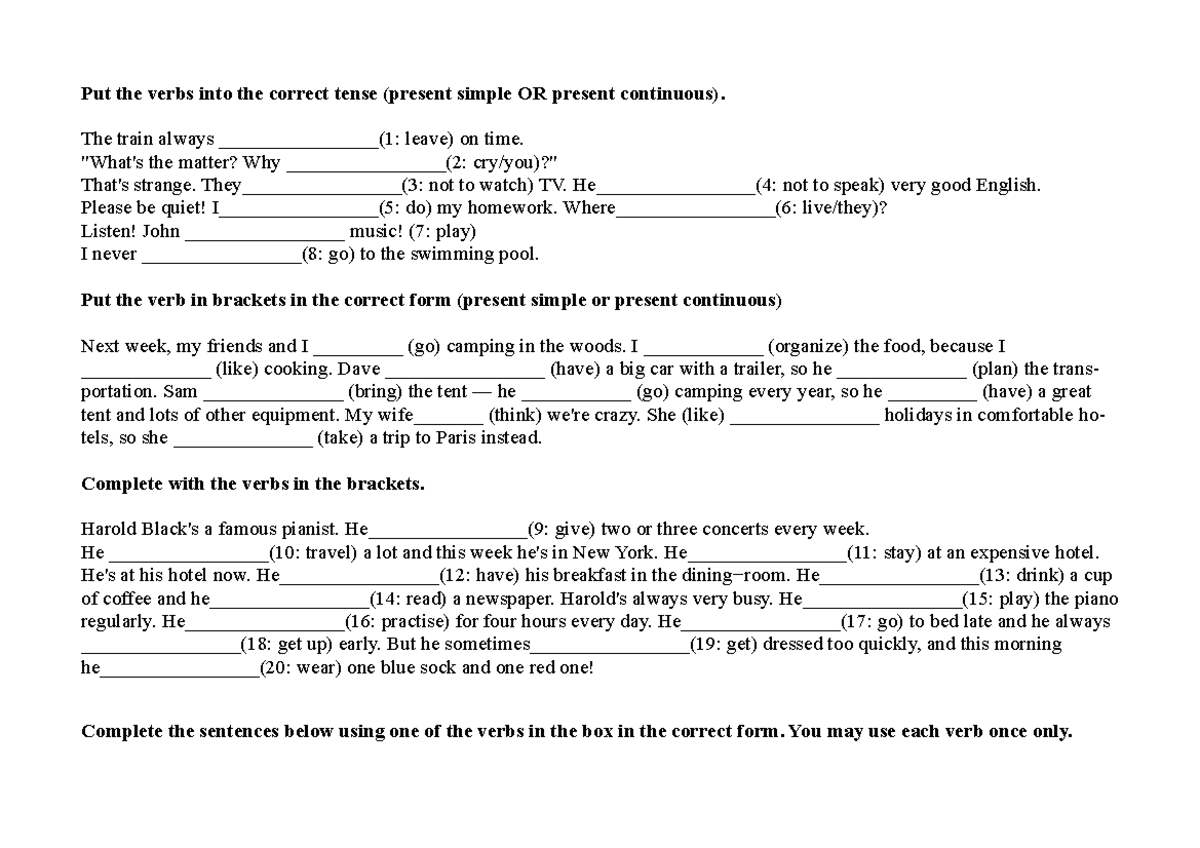
Ora che hai ripassato la teoria, è il momento di mettere alla prova le tue conoscenze con alcuni esercizi pratici. Completa le seguenti frasi, scegliendo tra il Present Simple e il Present Continuous.
- I usually _______ (drink) coffee in the morning, but today I _______ (drink) tea.
- She _______ (work) in a hospital. Today, she _______ (wear) a blue uniform.
- They _______ (not/like) spicy food. But tonight, they _______ (try) a new Indian restaurant.
- _______ (you/listen) to music right now? What _______ (you/usually/listen) to?
- The sun _______ (rise) in the east. It _______ (shine) brightly today.
- He _______ (play) the guitar every day. He _______ (play) a concert next week.
- We _______ (study) English at the moment. We _______ (want) to travel to England next year.
- _______ (she/believe) in ghosts? I _______ (not/believe) in them.
- The train _______ (leave) at 10:00 AM every day. Right now, it _______ (wait) at the platform.
- I _______ (feel) tired today. I usually _______ (feel) more energetic.
Soluzioni agli Esercizi
Ecco le soluzioni agli esercizi. Controlla le tue risposte e vedi come te la sei cavata!
- I usually drink coffee in the morning, but today I am drinking tea.
- She works in a hospital. Today, she is wearing a blue uniform.
- They don't like spicy food. But tonight, they are trying a new Indian restaurant.
- Are you listening to music right now? What do you usually listen to?
- The sun rises in the east. It is shining brightly today.
- He plays the guitar every day. He is playing a concert next week.
- We are studying English at the moment. We want to travel to England next year.
- Does she believe in ghosts? I don't believe in them.
- The train leaves at 10:00 AM every day. Right now, it is waiting at the platform.
- I feel tired today. I usually feel more energetic.
Se hai avuto difficoltà con alcuni esercizi, non scoraggiarti! La pratica rende perfetti. Rileggi la spiegazione, fai altri esercizi e, soprattutto, non aver paura di sbagliare. Sbagliando si impara!
Ricorda, imparare una lingua è un processo continuo. Non aver fretta, sii paziente con te stesso/a e, soprattutto, divertiti!