Past Continuous Vs Past Perfect Continuous
Quante volte ti sei trovato di fronte a una frase in inglese, leggendo o ascoltando, e ti sei chiesto: "Ma perché qui usano il Past Continuous e non il Past Perfect Continuous? Non suonano entrambi giusti?". Non sei solo! Questa è una sfida comune per molti studenti di inglese, e capire la differenza tra questi due tempi verbali è cruciale per esprimerti in modo preciso e fluente. In questa guida, esploreremo insieme le sfumature di questi tempi verbali, offrendoti gli strumenti necessari per dominarli con sicurezza.
Comprendere la Base: Cos'è il Past Continuous?
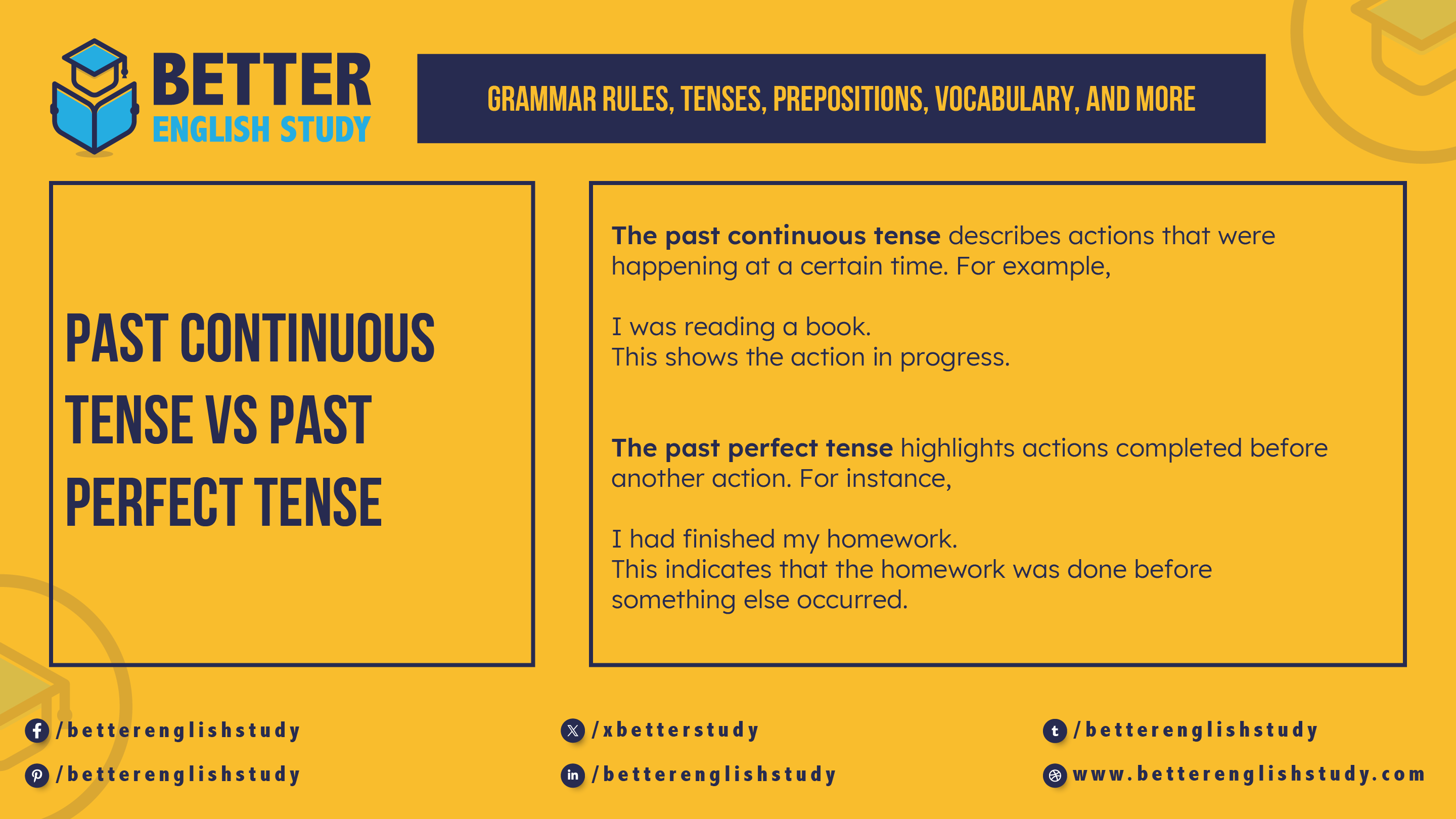
Il Past Continuous, a volte chiamato anche Past Progressive, descrive un'azione in corso in un momento specifico del passato. Immagina di scattare una foto: il Past Continuous cattura ciò che stava succedendo in quel preciso istante.
Struttura: soggetto + was/were + verbo-ing
Esempi:
- I was watching TV when the phone rang. (Stavo guardando la TV quando squillò il telefono.)
- They were playing football at 3 pm yesterday. (Ieri alle 15:00 stavano giocando a calcio.)
- She was studying all night. (Ha studiato tutta la notte.)
Come spiega Raymond Murphy nel suo celebre libro "English Grammar in Use", il Past Continuous mette l'accento sulla durata dell'azione nel passato. Non importa se l'azione è stata completata o meno; ciò che conta è che fosse in corso.
Introduzione al Past Perfect Continuous
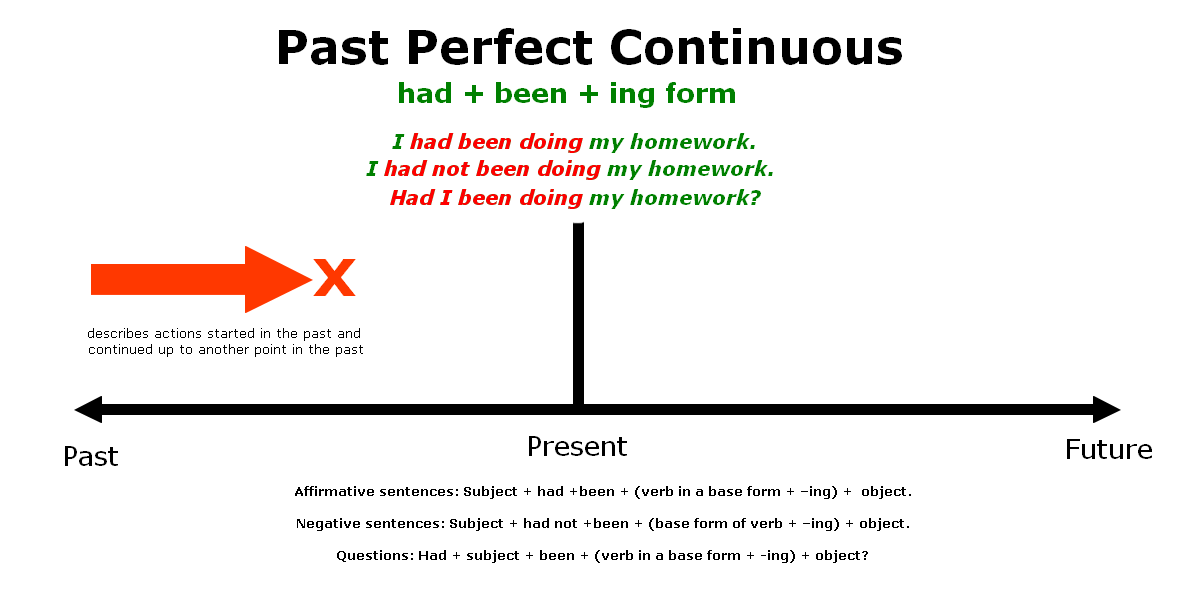
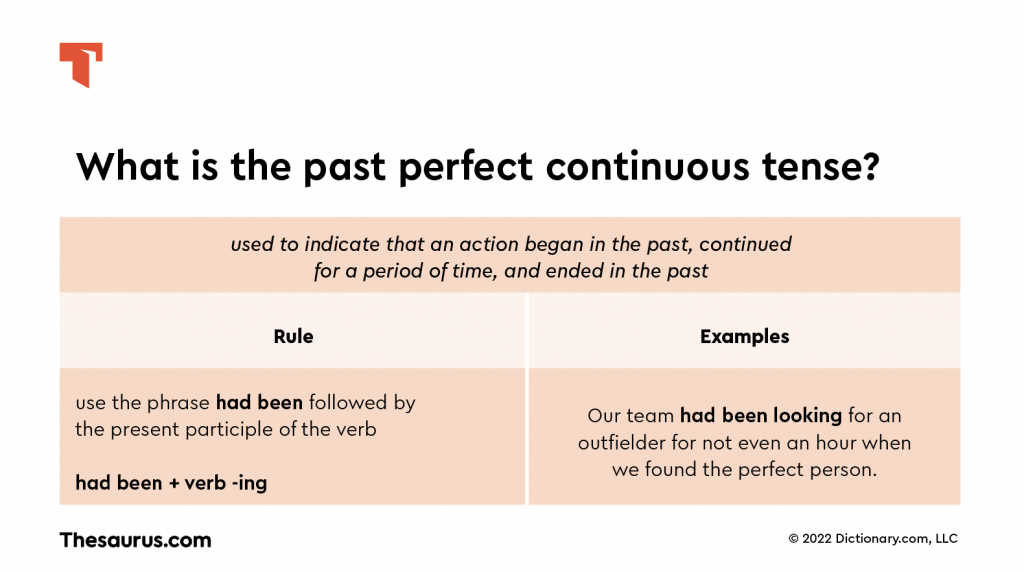
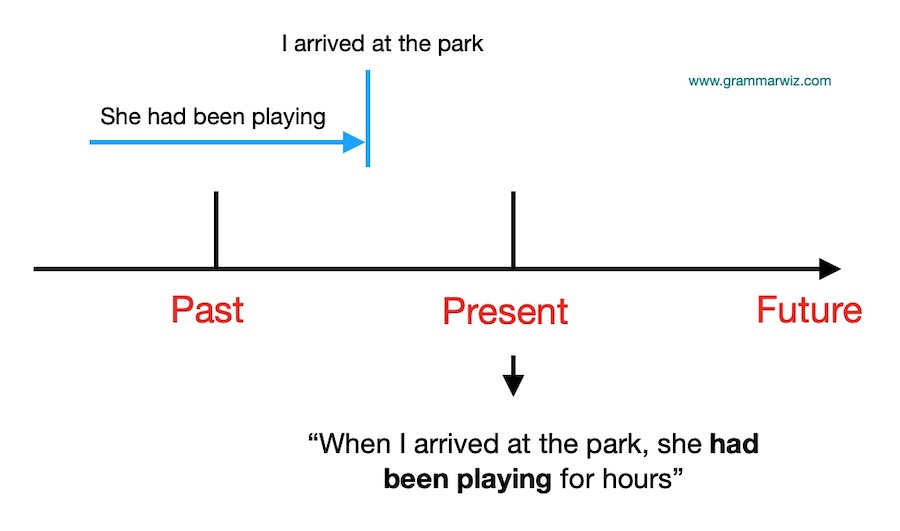
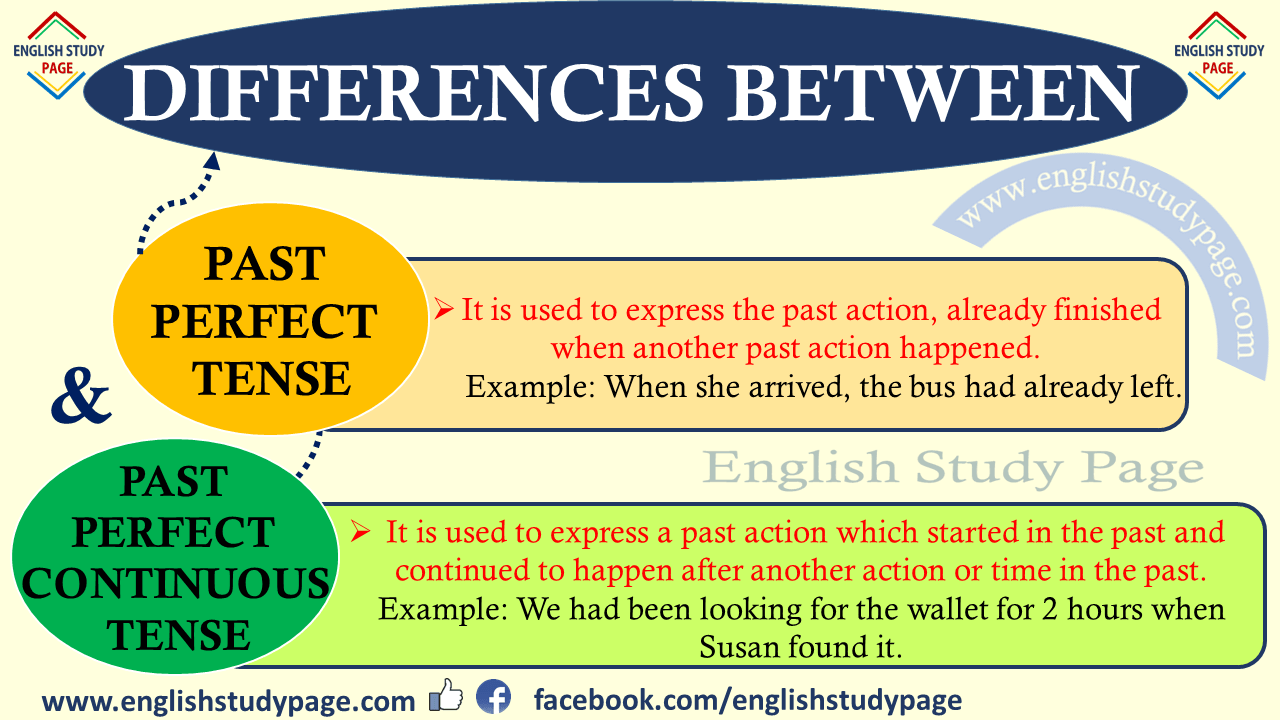
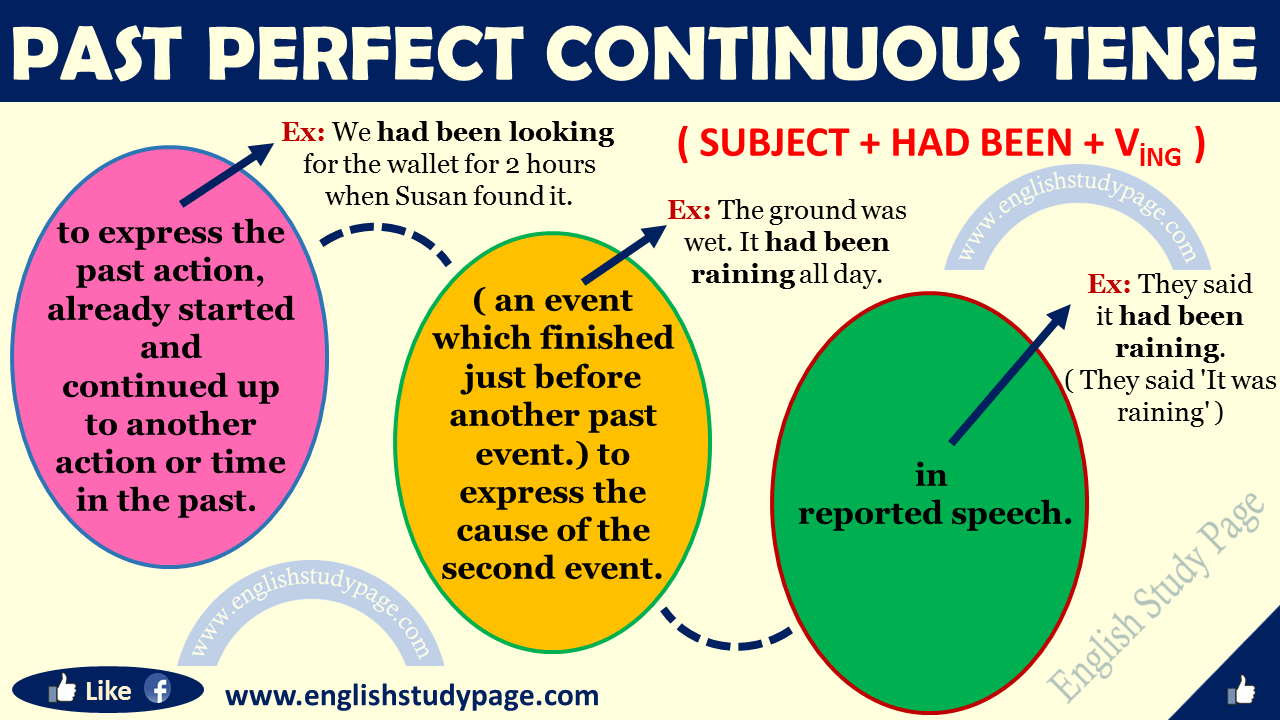
Il Past Perfect Continuous, invece, descrive un'azione che era iniziata nel passato e continuata fino a un altro momento nel passato. Immagina di raccontare una storia: il Past Perfect Continuous ti permette di spiegare la preparazione, l'accumulo o la causa di qualcosa che è accaduto dopo.
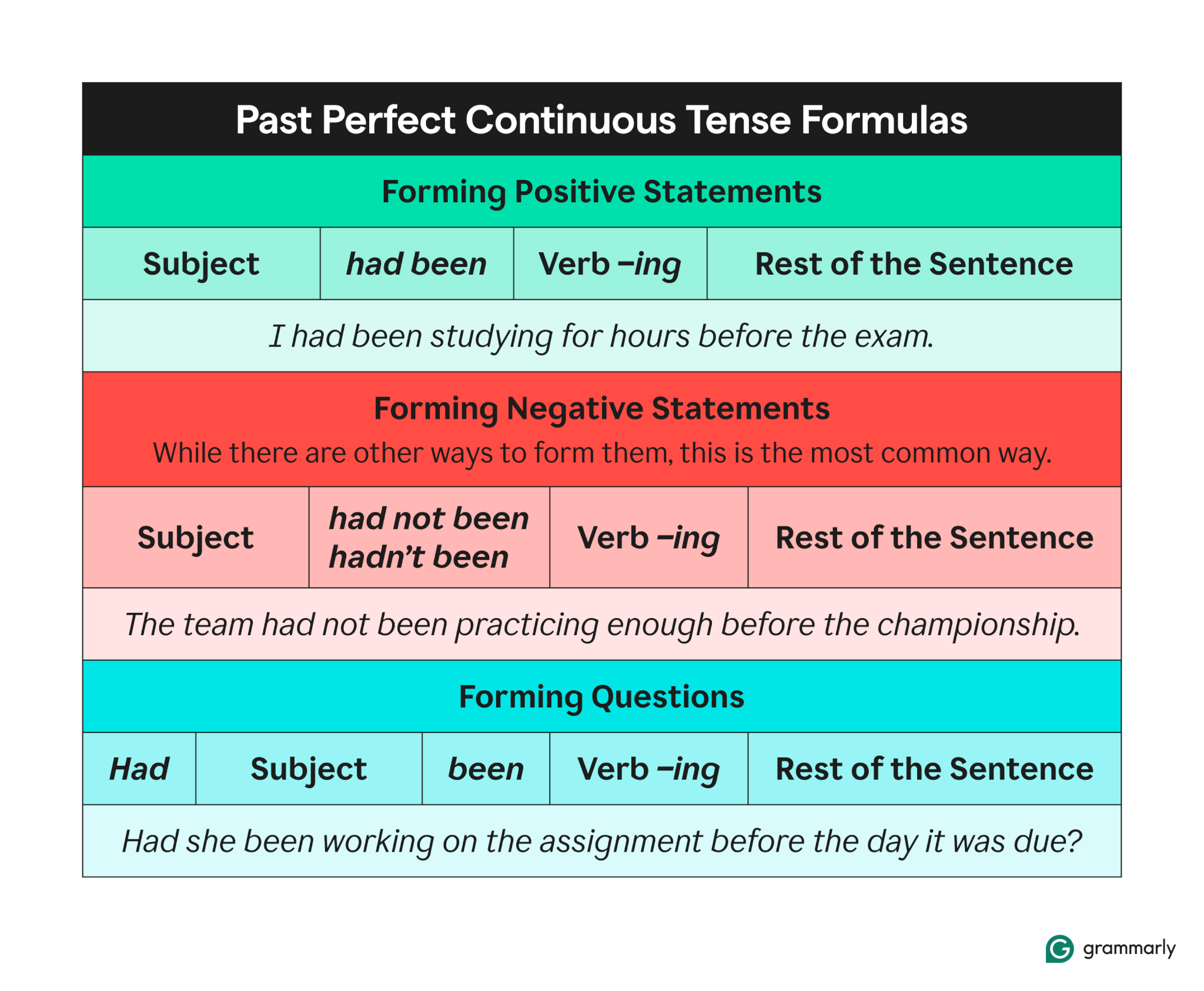
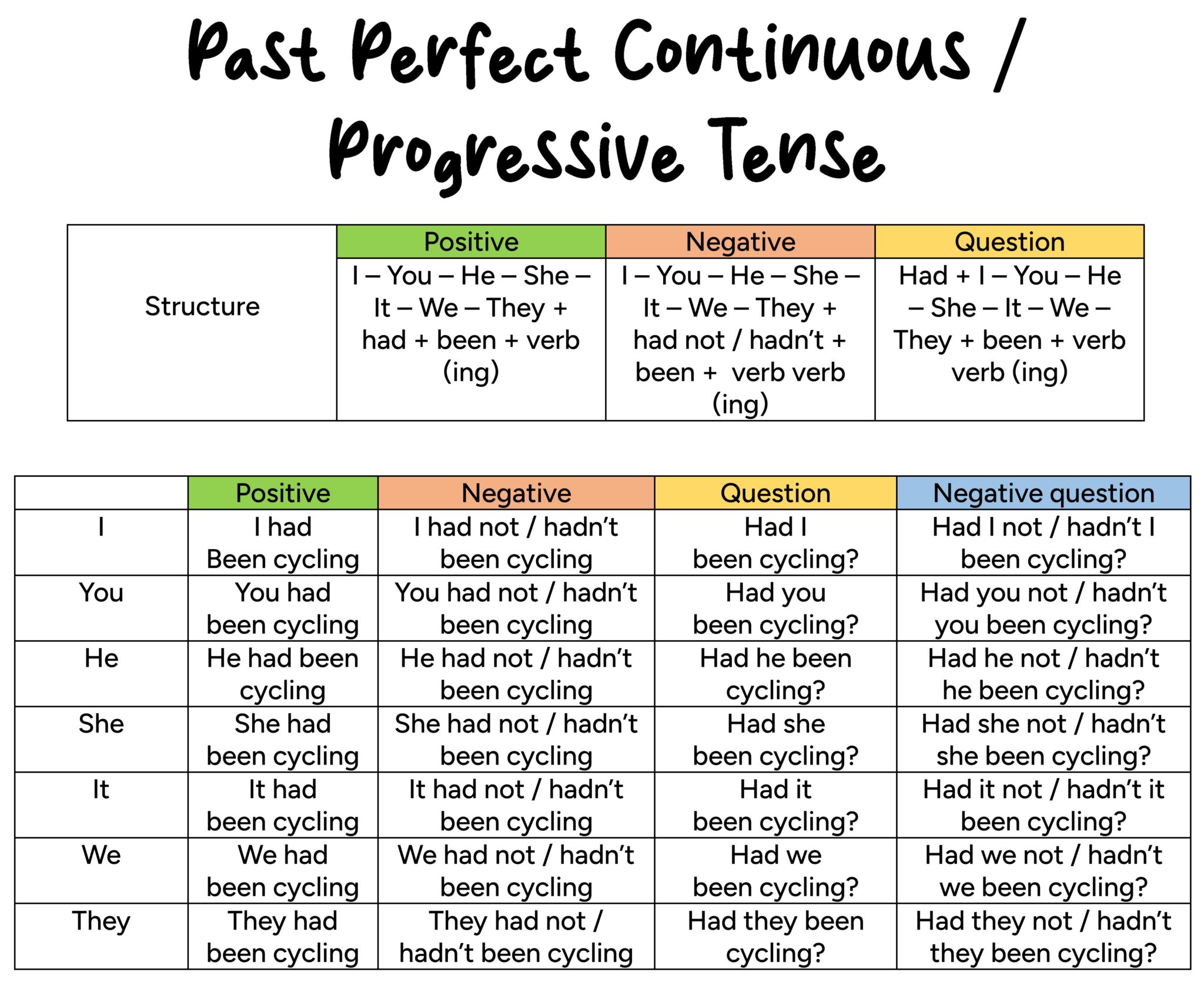
Struttura: soggetto + had been + verbo-ing
Esempi:
- I had been waiting for an hour when the bus finally arrived. (Aspettavo da un'ora quando finalmente è arrivato l'autobus.) - L'attesa era iniziata nel passato e continuata fino all'arrivo dell'autobus (un altro momento nel passato).
- She was tired because she had been working all night. (Era stanca perché aveva lavorato tutta la notte.) - Il lavoro era iniziato nel passato e continuato fino al momento in cui era stanca.
- They had been playing in the rain, so they were soaking wet. (Avevano giocato sotto la pioggia, quindi erano fradici.) - Il gioco sotto la pioggia era iniziato nel passato e continuato fino al momento in cui erano fradici.
Secondo Betty Azar, autrice di "Understanding and Using English Grammar", il Past Perfect Continuous spesso implica una causa ed effetto, spiegando perché qualcosa è successo in un secondo momento.
La Chiave della Differenza: Durata, Conseguenze e Rilevanza
La differenza fondamentale tra i due tempi verbali risiede nella loro prospettiva temporale e nell'enfasi che pongono sull'azione:
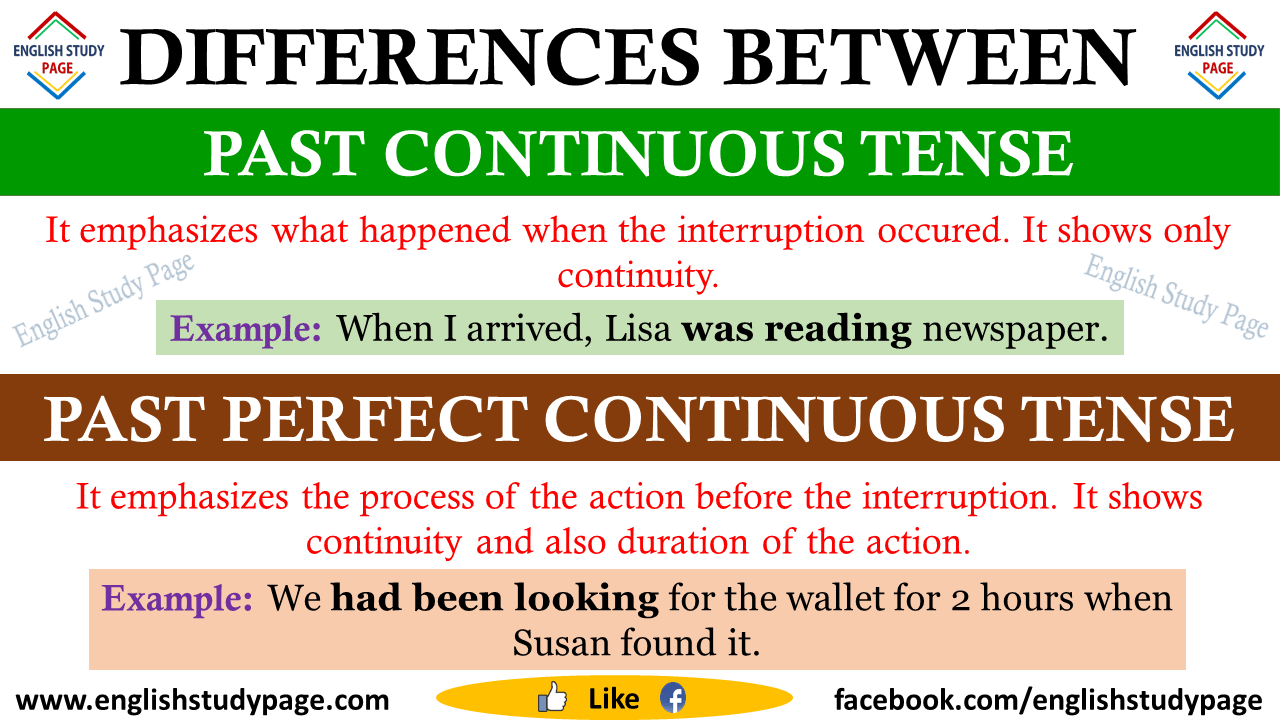
- Past Continuous: si concentra su un'azione in corso in un momento specifico del passato. È come una "istantanea" di un'azione. Spesso usato per impostare la scena o descrivere attività simultanee.
- Past Perfect Continuous: si concentra sulla durata di un'azione iniziata e continuata fino a un altro momento nel passato, spesso evidenziandone le conseguenze. È come un "filmato" che mostra la progressione dell'azione nel tempo.
Considera questi esempi a confronto:
- Past Continuous: "I was eating dinner when you called." (Stavo cenando quando hai chiamato.) - L'enfasi è sull'azione di cenare nel momento in cui è arrivata la chiamata.
- Past Perfect Continuous: "I had been eating dinner, so I didn't hear the phone." (Stavo cenando, quindi non ho sentito il telefono.) - L'enfasi è sulla durata della cena e sul fatto che, a causa di questa azione prolungata, non ho sentito il telefono.
Come sottolinea Michael Swan nel suo "Practical English Usage", la scelta tra i due tempi verbali dipende spesso dalla rilevanza che vogliamo dare all'azione e al suo impatto sul passato.
Quando Usare il Past Perfect Continuous al Posto del Past Perfect Simple
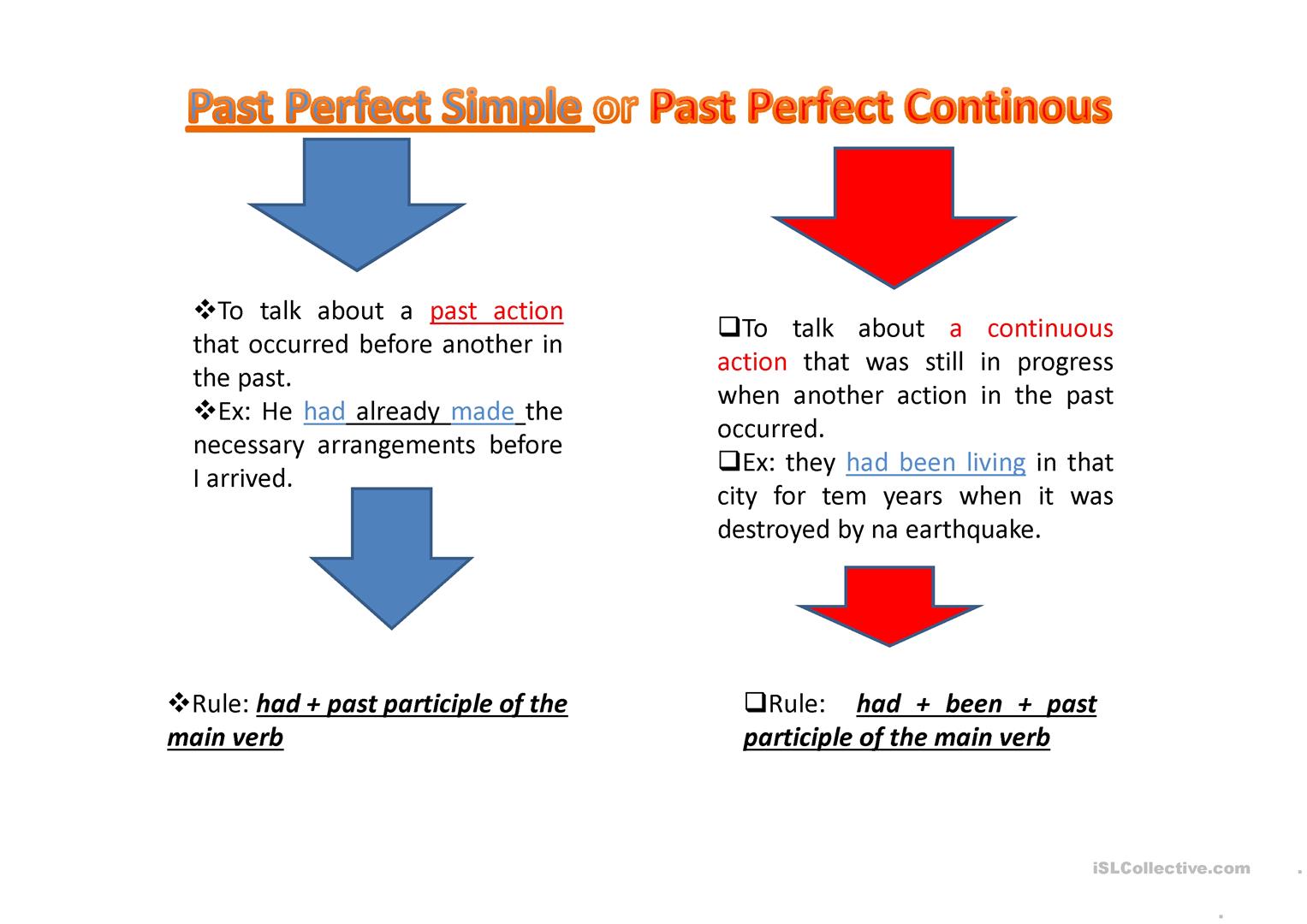
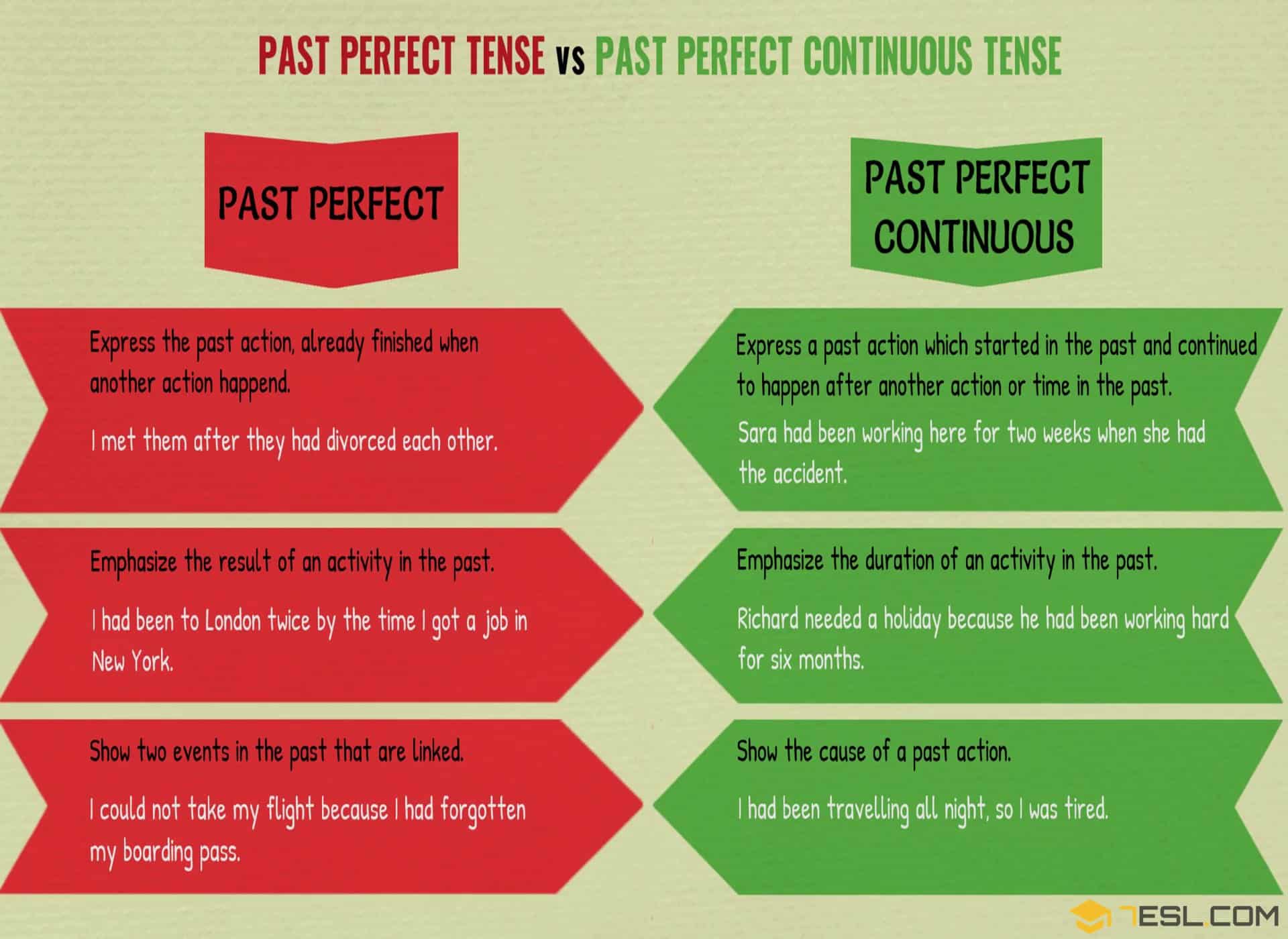
Potresti chiederti: "Perché non usare semplicemente il Past Perfect Simple?". È una domanda lecita! Il Past Perfect Simple si concentra sul completamento di un'azione prima di un altro momento nel passato, mentre il Past Perfect Continuous enfatizza la durata dell'azione.
Esempi:
- Past Perfect Simple: "I had finished my homework before I went out." (Avevo finito i compiti prima di uscire.) - L'enfasi è sul fatto che i compiti erano completati.
- Past Perfect Continuous: "I had been doing my homework for three hours when my friend called." (Facevo i compiti da tre ore quando il mio amico ha chiamato.) - L'enfasi è sulla durata del tempo trascorso a fare i compiti.
In generale, usa il Past Perfect Continuous quando:
- Vuoi sottolineare la durata di un'azione.
- Vuoi spiegare la causa di qualcosa che è accaduto dopo.
- L'azione è terminata poco prima di un altro momento nel passato e le sue conseguenze sono ancora evidenti.
Esercizi Pratici per Padroneggiare i Tempi Verbali
La teoria è importante, ma la pratica è fondamentale! Ecco alcuni esercizi per aiutarti a consolidare la tua comprensione:
- Completa le frasi: Completa le seguenti frasi usando il Past Continuous o il Past Perfect Continuous, scegliendo il tempo verbale più appropriato:
- I ______ (wait) for you when you finally arrived.
- She ______ (study) all day, so she was very tired.
- They ______ (play) in the garden when it started to rain.
- Trasforma le frasi: Trasforma le seguenti frasi dal Past Simple al Past Perfect Continuous per enfatizzare la durata dell'azione:
- I studied for the exam. --> I ______ (study) for hours before the exam.
- She worked at the company. --> She ______ (work) at the company for ten years before she retired.
- They lived in that house. --> They ______ (live) in that house for many years before they moved.
- Scrivi una storia: Scrivi un breve paragrafo in cui descrivi una situazione passata usando sia il Past Continuous che il Past Perfect Continuous. Ad esempio, puoi descrivere cosa stavi facendo prima di un evento importante e come ti sentivi a causa delle azioni che avevi compiuto in precedenza.
Strumenti e Risorse Utili
Per affinare ulteriormente le tue competenze, puoi utilizzare i seguenti strumenti e risorse:
- App di grammatica inglese: Molte app offrono esercizi interattivi e spiegazioni dettagliate sui tempi verbali.
- Siti web di esercizi di grammatica: Siti come "EnglishClub" e "Perfect English Grammar" offrono una vasta gamma di esercizi gratuiti.
- Libri di testo di grammatica inglese: I libri di testo di grammatica, come quelli menzionati in precedenza (Murphy, Azar, Swan), forniscono spiegazioni approfondite e numerosi esempi.
- Tandem linguistico: Pratica con madrelingua inglesi attraverso piattaforme di tandem linguistico per ricevere feedback e migliorare la tua fluidità.
Conclusione: Un Percorso Verso la Padronanza
Distinguere tra Past Continuous e Past Perfect Continuous può sembrare difficile all'inizio, ma con la pratica e la comprensione dei principi fondamentali, puoi padroneggiare questi tempi verbali e comunicare in modo più efficace e preciso in inglese. Ricorda: l'attenzione alla durata dell'azione, alla sua conseguenza e alla rilevanza nel contesto sono le chiavi per scegliere il tempo verbale corretto. Non scoraggiarti di fronte alle difficoltà; l'apprendimento di una lingua è un percorso continuo, e ogni passo, anche piccolo, ti avvicina al tuo obiettivo.




.PNG)